
IoT Device Wi-Fi Security Vulnerabilities
As the Internet of Things (IoT) continues to grow, the security of IoT devices has become a major concern. One of the most vulnerable aspects of IoT devices is their Wi-Fi connectivity. In this article, we will explore the top IoT device Wi-Fi security vulnerabilities and provide guidance on how to secure these devices.
Top IoT Device Vulnerabilities
IoT devices can be compromised through a wide range of vulnerabilities. Some of the most common vulnerabilities include:
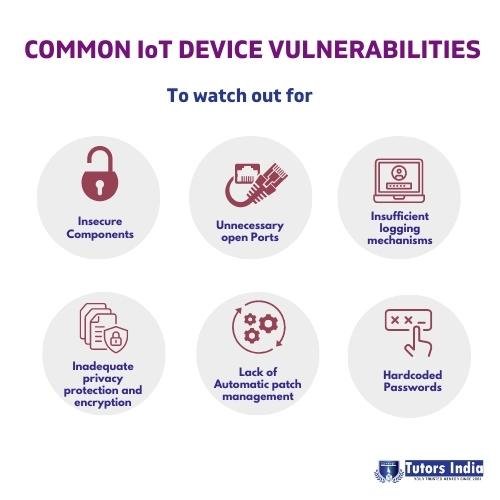
1. Weak/Hardcoded Passwords
Weak or hardcoded passwords are among the most frequent methods attackers use to compromise IoT devices. Weak and reused passwords, which are short or easy to guess, are simple for attackers to crack, which they then use to compromise devices and launch large-scale attacks.
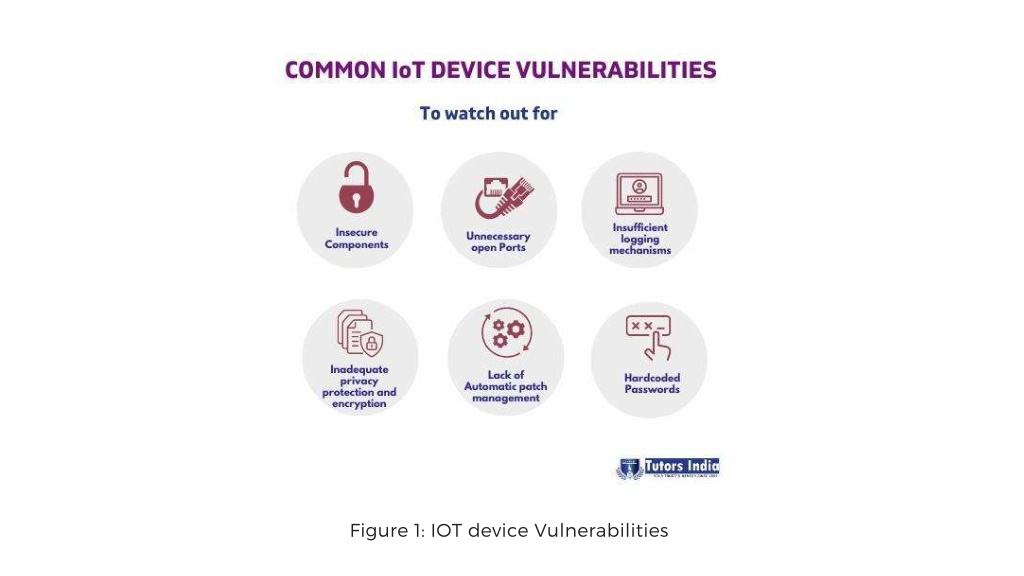
2. Insecure Networks
Insecure networks make it easy for cyber criminals to exploit weaknesses in the protocols and services that run on IoT devices. Once they have exploited a network, attackers can breach confidential or sensitive data that travels between user devices and the server.
3. Lack of Encryption
Many IoT devices do not use encryption to protect data transmitted over Wi-Fi networks. This makes it easy for attackers to intercept and read sensitive information, such as passwords and credit card numbers.
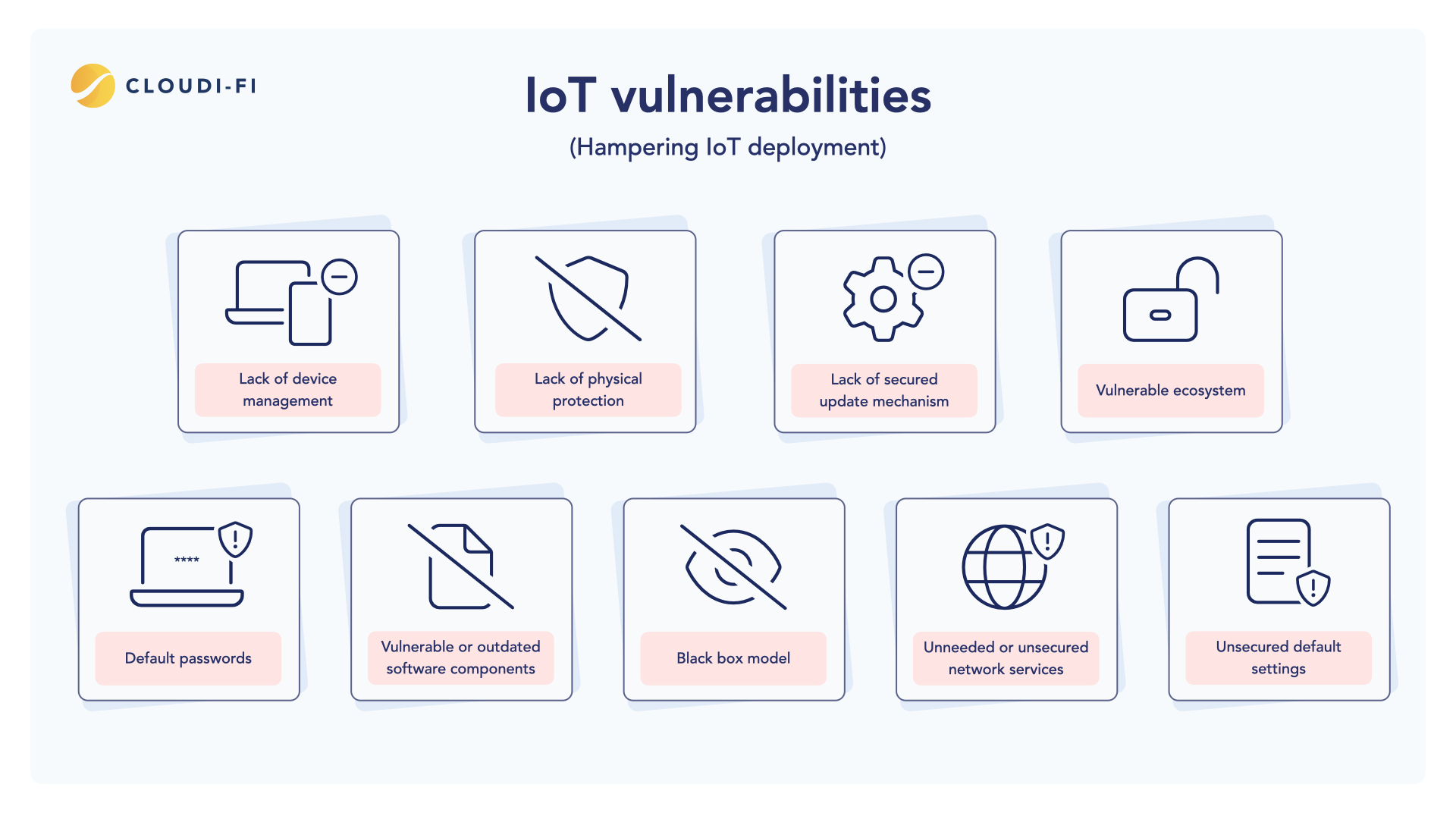
4. Outdated Software
IoT devices often run outdated software that contains known vulnerabilities. Attackers can exploit these vulnerabilities to gain access to the device and launch further attacks.
5. Insufficient Authentication
Many IoT devices do not require sufficient authentication, making it easy for attackers to gain access to the device and its data.
6. Lack of Secure Protocols
IoT devices often use insecure communication protocols, such as HTTP and FTP, which can be easily exploited by attackers.
Securing IoT Devices
To secure IoT devices, it is essential to address these vulnerabilities. Here are some steps you can take:
- Use strong passwords and keep them confidential.
- Implement encryption for data transmitted over Wi-Fi networks.
- Keep software up-to-date with the latest security patches.
- Require sufficient authentication for device access.
- Use secure communication protocols, such as HTTPS and SFTP.
By taking these steps, you can significantly reduce the risk of your IoT devices being compromised by Wi-Fi security vulnerabilities.