
Securing Municipal Wi-Fi Networks

Security Architecture for Municipal Wi-Fi Networks: Vulnerability Mitigation and Technical Implementation
Author: Network Security Analyst | Updated: 2026
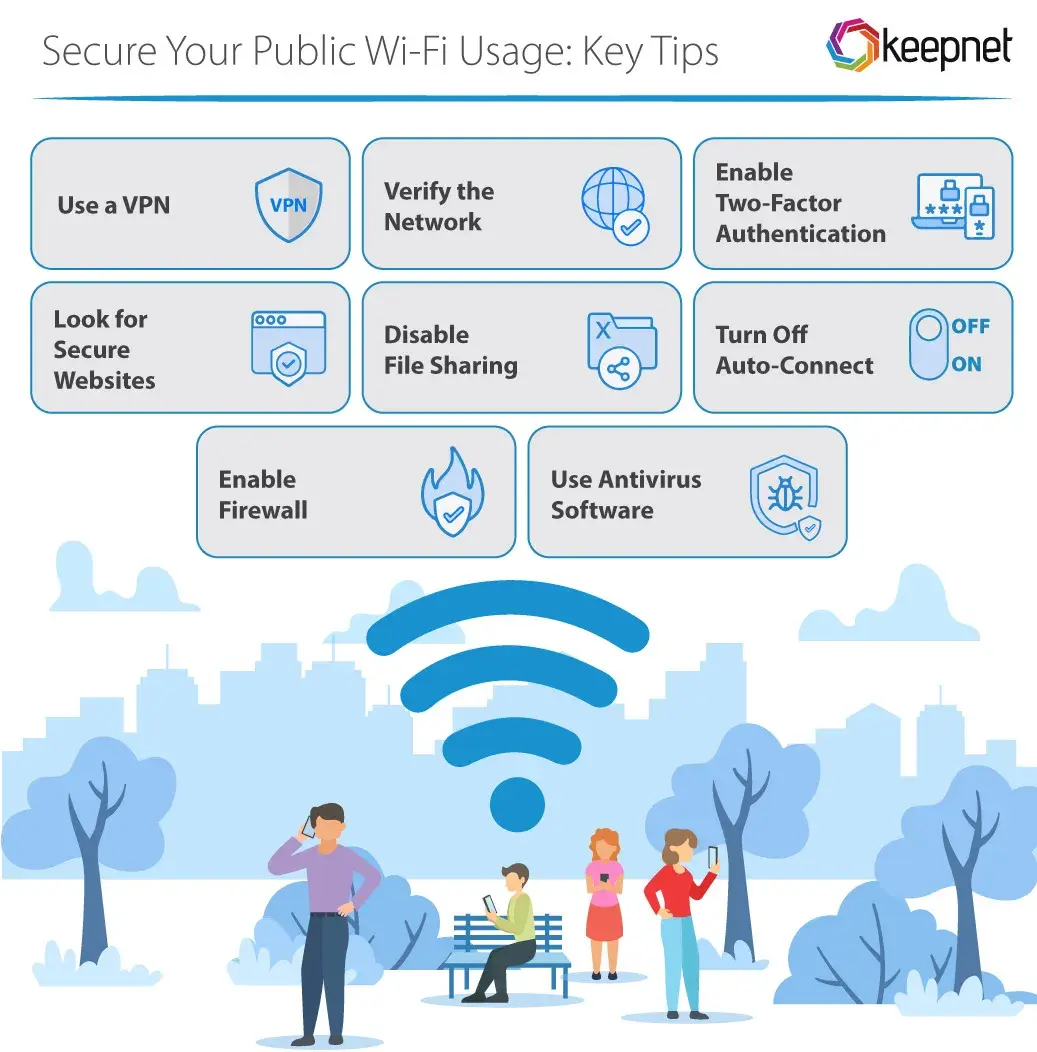
Municipal Wi-Fi networks represent high-value attack surfaces due to their open nature and large-scale data exposure. Without strict security controls, these infrastructures become prime targets for traffic interception, credential theft, and malware injection.
From a technical standpoint, the primary vulnerabilities arise from weak encryption, poor configuration management, and lack of continuous monitoring. Attackers frequently exploit these weaknesses using techniques such as man-in-the-middle (MITM) attacks, rogue access points, and packet sniffing.
Based on real-world implementations, misconfigurations — such as default credentials and outdated firmware — remain among the most common and dangerous flaws in public network environments.
⚠️ Real-World Risks of Public Wi-Fi Networks
In practical scenarios, even legitimate public Wi-Fi networks (airports, cafes, and city hotspots) can be compromised. Attackers do not need to break encryption — they often position themselves between the user and the access point to silently intercept traffic.
This means that sensitive data such as login credentials, emails, and financial information can be exposed without the user noticing any visible issue.
The following videos provide a clear and practical breakdown of these risks and how to mitigate them.
1. 8 Essential Tips for Staying Safe on Public Wi-Fi Networks
2. Is Public Wi-Fi Safe? Essential Security Tips Revealed
3. How to Secure Your Wi-Fi: The Ultimate Guide to Protection & Protocols
4. The Invisible Shield – Public Wi-Fi & Home Networks
💡 Practical Insight (Experience-Based)
In real-world environments, the biggest mistake users make is assuming that “official” Wi-Fi networks are safe by default. In practice, attackers frequently clone network names (SSID spoofing), making it nearly impossible for users to distinguish between legitimate and malicious access points.
A consistent security practice observed in enterprise environments is the strict avoidance of sensitive operations over public Wi-Fi. When unavoidable, the use of encrypted tunnels (VPNs) and multi-factor authentication significantly reduces risk exposure.
From an operational perspective, combining infrastructure security with user awareness is the only effective long-term strategy.
Encryption Protocols and Centralized Authentication
Adoption of WPA2 and AES Standards
The WPA2 standard with AES encryption represents the minimum baseline for secure wireless networks. It ensures data confidentiality and protects against passive interception. Networks still using WEP or WPA are considered inherently insecure.
Implementation of RADIUS Servers
Large-scale environments require centralized authentication through RADIUS. This approach eliminates shared credentials and enables granular access control, auditing, and real-time permission management.
Rogue Network Mitigation and Access Management
The Role of Captive Portals
The use of captive portals helps distinguish official networks from malicious ones while providing an additional layer of access control and traceability.
Infrastructure Hygiene and Maintenance
Security depends not only on architecture but also on continuous maintenance. Firmware updates, credential rotation, and periodic audits are essential practices recommended by international security standards.
Additional Layers of User Protection
Encrypted Tunnels and VPNs
Using a VPN creates an encrypted tunnel that prevents third parties from reading transmitted data, even on open networks. This is one of the most effective protections for end users.
Application-Layer Encryption
Protocols such as HTTPS ensure that data in transit is encrypted. Verifying certificates and using updated browsers are essential practices to prevent interception attacks.
FAQ
What is the main difference between WPA2 and WEP?
WEP is obsolete and easily compromised, while WPA2 uses robust AES encryption, making it the recommended standard for secure networks.
Why are RADIUS servers preferred in municipal networks?
They enable centralized authentication, access control, and auditing, significantly reducing security risks.
How do VPNs protect users on public Wi-Fi?
VPNs encrypt all traffic, preventing attackers from intercepting or reading transmitted data.