Wifi Security Mode Differences

WiFi Security Mode Differences: Understanding WEP, WPA, WPA2, and WPA3
Wireless security protocols have evolved over time to address issues, enhance compatibility, and strengthen security compared to their predecessors. In this article, we will explore the differences between WEP, WPA, WPA2, and WPA3, and discuss how each protocol works.
WEP (Wired Equivalency Protocol)
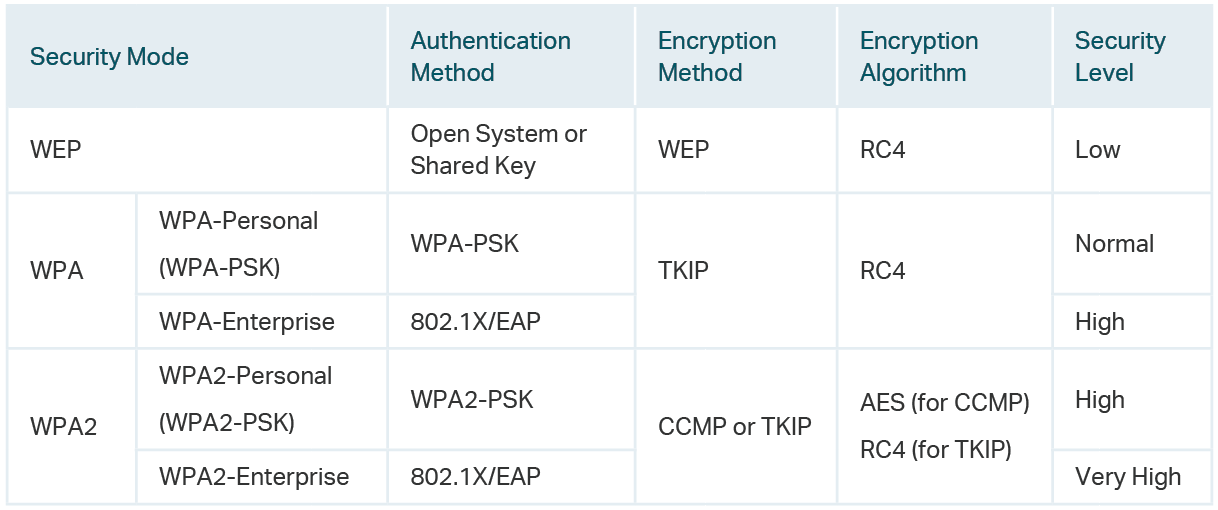
Developed in 1997 by the IEEE, WEP was the original wireless standard designed to provide a security standard for wireless networks. However, it had several security vulnerabilities that were later addressed in subsequent protocols.
WPA (Wi-Fi Protected Access)
In 2004, the Wi-Fi Alliance released WPA as a temporary standard to address the security flaws in WEP. WPA built upon WEP by introducing a new encryption algorithm and improving key management.
WPA2 (Wi-Fi Protected Access 2)
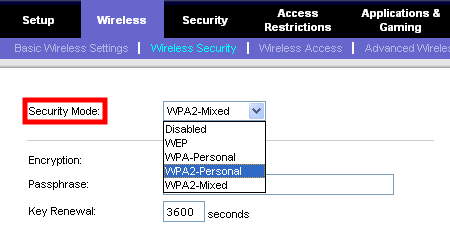
Released in 2004, WPA2 is a faster and more secure protocol that remained the most dominant security protocol until 2018. WPA2 introduced the Advanced Encryption Standard (AES) and improved key management.
WPA3 (Wi-Fi Protected Access 3)
In 2018, the Wi-Fi Alliance introduced WPA3 as the latest wireless security standard. WPA3 provides improved encryption and key management, as well as enhanced protection against brute-force attacks.
Wi-Fi Protected Setup (WPS)
WPS is a standard designed to ease the setup of Wi-Fi networks in home and small office environments. It allows users to add new devices to an existing network without entering long passphrases.
Security Risks of Unsecured Wireless Networks
Unsecured wireless networks are at risk of being compromised by internal or external threat actors seeking to steal data, eavesdrop, or perform other malicious activities.
Conclusion
In conclusion, understanding the differences between WEP, WPA, WPA2, and WPA3 is crucial for ensuring the security of wireless networks. By choosing the proper level of encryption and using secure protocols, users can protect their data and prevent malicious activities.