
Wifi Security Mode Meaning

Understanding WiFi Security Modes
WiFi security modes are protocols used to secure wireless networks from unauthorized access. These modes ensure that data transmitted over the network is encrypted and protected from eavesdropping or interception.
Types of WiFi Security Modes
There are several types of WiFi security modes, including WEP, WPA, WPA2, and WPA3. Each mode has its own strengths and weaknesses, and some are more secure than others.
WEP (Wired Equivalent Privacy)
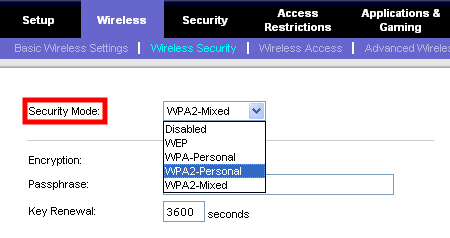
WEP is the oldest and most insecure WiFi security mode. It uses a static key to encrypt data, which can be easily cracked by hackers. WEP is no longer considered secure and should not be used.
WPA (WiFi Protected Access)
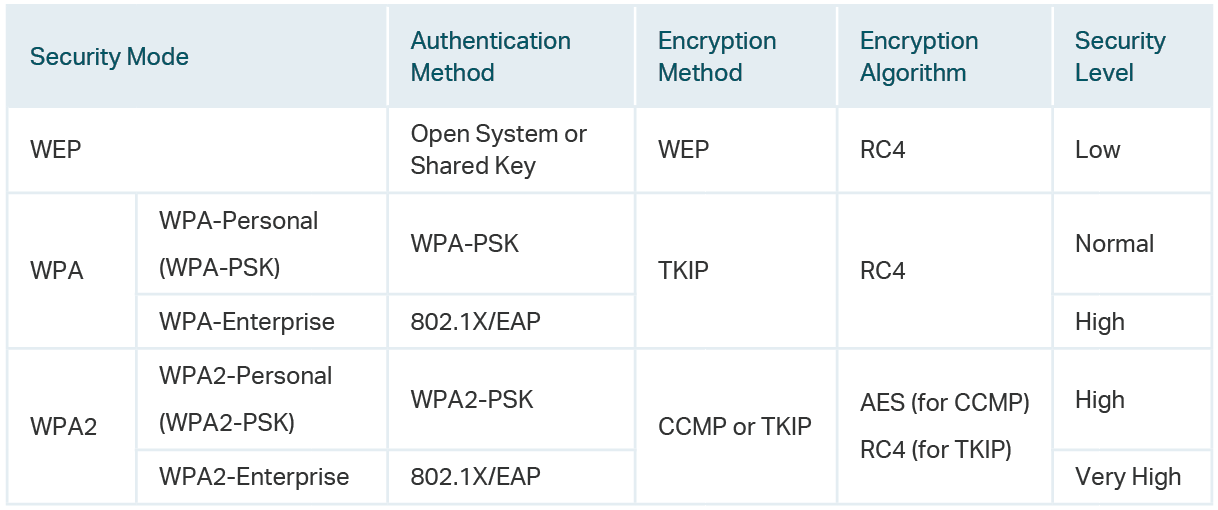
WPA is an improvement over WEP, but it is still considered vulnerable to intrusion. WPA uses a dynamic key exchange and encryption protocol called TKIP (Temporal Key Integrity Protocol).
WPA2 (WiFi Protected Access II)
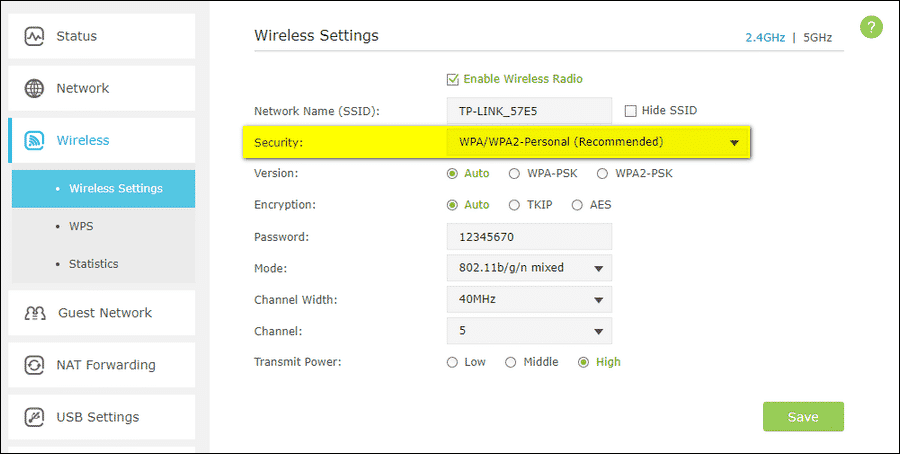
WPA2 is a more secure WiFi security mode that uses the Advanced Encryption Standard (AES) protocol. WPA2 is widely used and considered to be one of the most secure WiFi security modes.
WPA3 (WiFi Protected Access III)
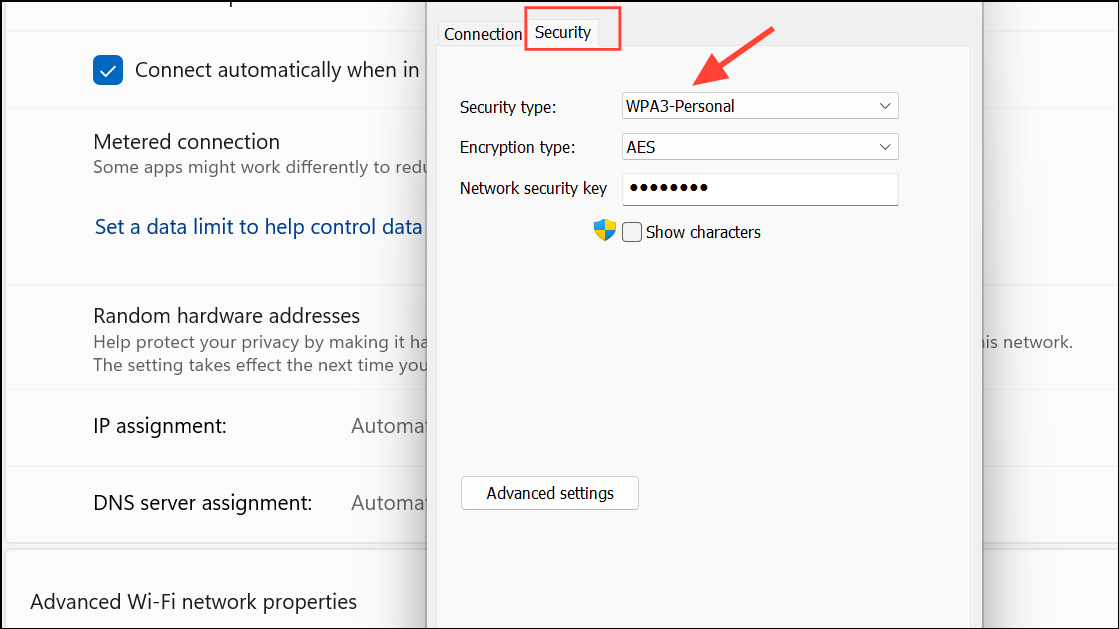
WPA3 is the latest WiFi security mode, introduced in 2018. It uses the AES protocol and provides even stronger encryption than WPA2. WPA3 is not yet widely adopted, but it is considered to be the most secure WiFi security mode.
AES vs. TKIP
AES (Advanced Encryption Standard) and TKIP (Temporal Key Integrity Protocol) are two different encryption protocols used in WiFi security modes. AES is considered to be more secure than TKIP, which is deprecated.
Wi-Fi Protected Setup (WPS)
Wi-Fi Protected Setup (WPS) is a standard designed to ease the setup of WiFi networks in home and small office environments. WPS allows users to add new devices to an existing network without entering long passphrases.
However, a major security flaw was revealed in 2011 that affects wireless routers with the WPS PIN feature. The flaw allows a remote attacker to recover the WPS PIN and gain access to the network.
Conclusion
In conclusion, WiFi security modes are essential for protecting wireless networks from unauthorized access. Understanding the different types of WiFi security modes and their strengths and weaknesses is crucial for ensuring the security of your network.