
Wifi Security None Meaning

WiFi Security None Meaning: Understanding the Risks and Implications
When setting up a wireless network, one of the most critical decisions you’ll make is choosing the right security protocol to protect your data. With various options available, including WEP, WPA, WPA2, and WPA3, it’s essential to understand what each means and how they impact your network’s security.
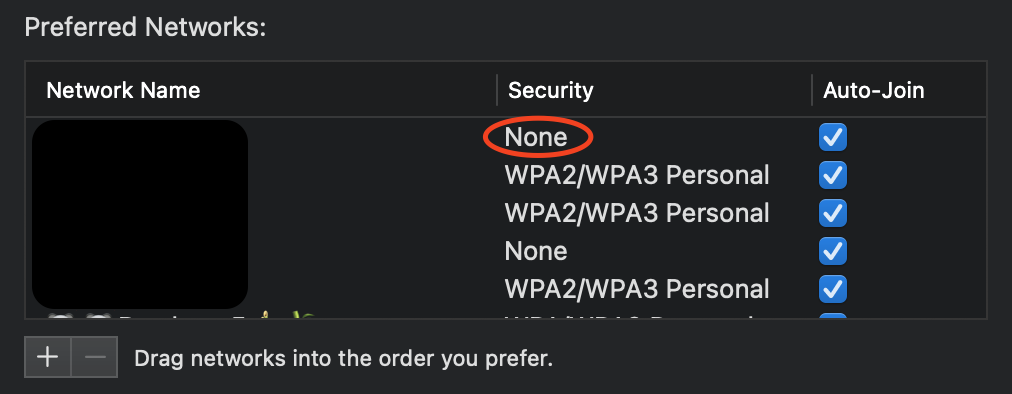
What does WiFi Security None mean?
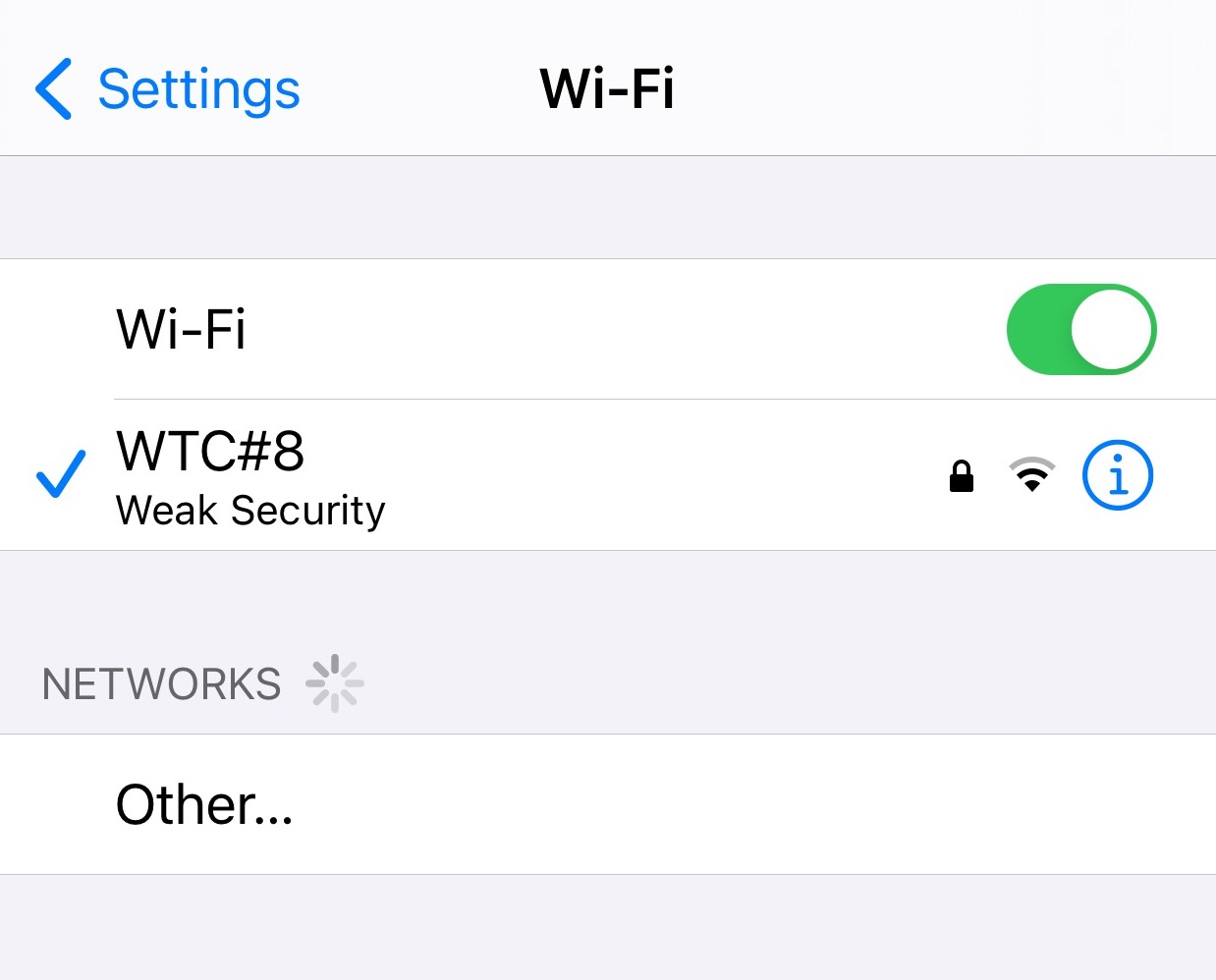
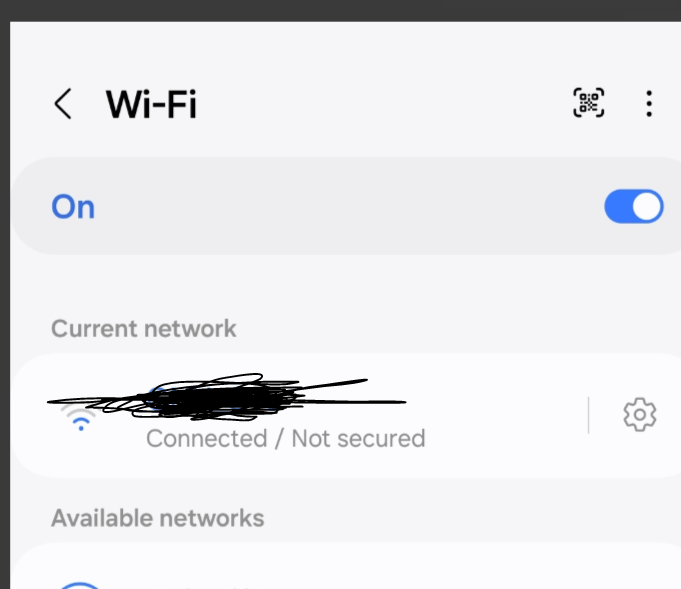
WiFi Security None refers to a network that has no encryption or authentication protocol in place. This means that anyone within range of the network can connect to it without needing a password, making it vulnerable to cyber attacks and data interception.
Types of WiFi Security Protocols
There are four primary types of WiFi security protocols: WEP, WPA, WPA2, and WPA3. Each has its strengths and weaknesses, which we’ll explore below.
1. Wired Equivalent Privacy (WEP)
WEP is an outdated protocol that uses a single key to encrypt data on the network. However, it’s proven vulnerable to security breaches and is no longer considered secure.
2. Wi-Fi Protected Access (WPA)
WPA was introduced as a replacement for WEP, using temporal key integrity protocol (TKIP) to change the encryption key periodically. While more secure than WEP, WPA still has its vulnerabilities.
3. Wi-Fi Protected Access II (WPA2)
WPA2 is a more secure protocol that uses advanced encryption protocols like AES and CCMP. It’s widely considered the most secure option for home networks.
4. Wi-Fi Protected Access III (WPA3)
WPA3 is the latest security protocol, introduced in 2018. It offers even stronger encryption and authentication methods, making it the most secure option available.

Conclusion
In conclusion, WiFi Security None is a serious security risk that can expose your data to cyber attacks. Understanding the different types of WiFi security protocols and choosing the right one for your network is crucial to protecting your online activity.